
Click To Text

5 Questions About Dental Bridges That New Patients Always Ask

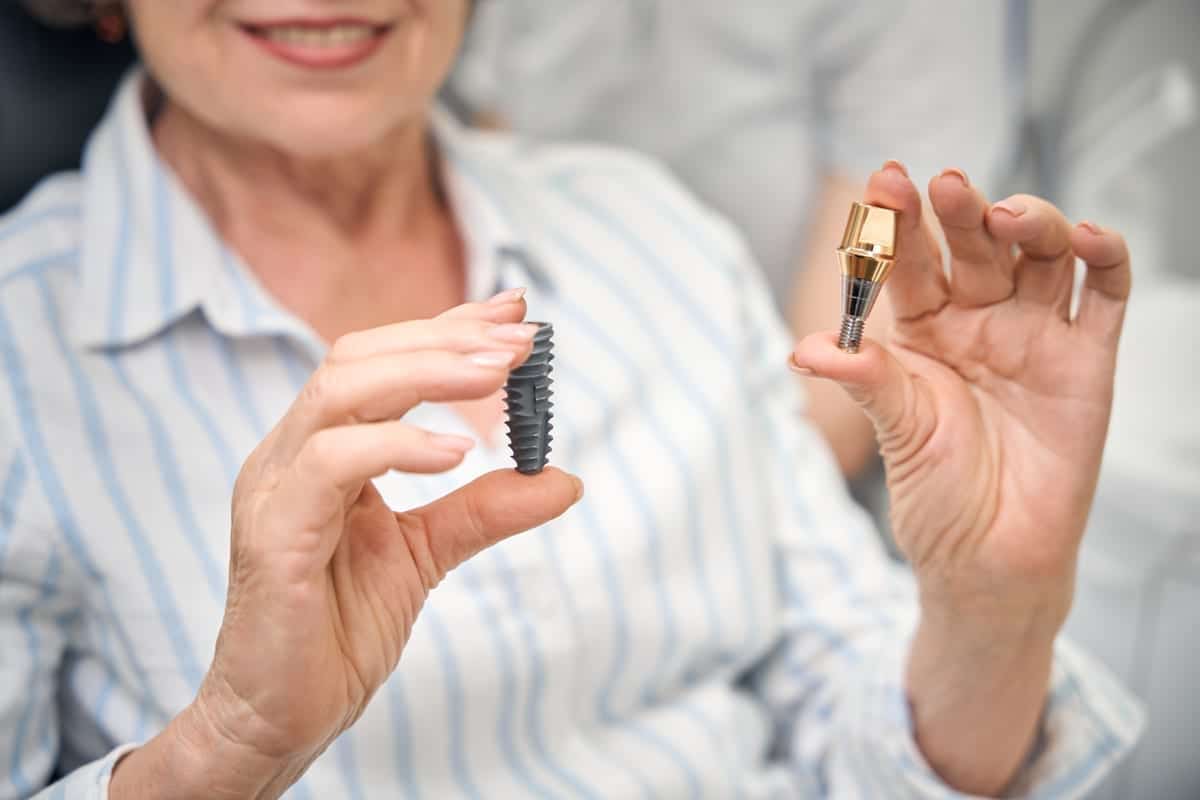
If you live in River Forest and you’re missing one or more teeth, you’ve probably heard about dental bridges. You may even have questions you’re not sure how to ask. The 5 questions about dental bridges that new patients always ask in River Forest cover everything from cost to comfort — and we’re here to answer every one of them. At North Avenue Dental Care of Elmwood Park, Dr. Michael Gonzalez and his team help patients make confident, informed decisions about their dental care every day.
Question 1: What Exactly Is a Dental Bridge and How Does It Work?
A dental bridge is a fixed restoration that replaces one or more missing teeth. It uses the teeth on either side of the gap — called abutment teeth — as anchors. A false tooth, called a pontic, sits in the space and fills the gap permanently.
Bridges are custom-made to match your natural teeth in shape and color. They restore your ability to chew, speak, and smile with confidence. Unlike dentures, a traditional bridge is cemented in place and does not come out.
There are several types of bridges available, including:
- Traditional bridges — the most common type, supported by crowns on each side
- Cantilever bridges — anchored to just one adjacent tooth
- Maryland bridges — bonded to the backs of neighboring teeth with minimal prep
- Implant-supported bridges — held in place by dental implants instead of natural teeth
Dr. Gonzalez will evaluate your specific situation and recommend the best option for your smile.
Question 2: Are Dental Bridges the Right Choice for Me in River Forest?
This is one of the most common questions we hear — and it’s a great one to ask. Dental bridges work best when you have healthy teeth and gums surrounding the gap. If the neighboring teeth are already weakened or decayed, a bridge may not be the most stable solution.
Patients who have experienced tooth loss from injury, decay, or Emergency And Extraction River Forest situations are often excellent candidates for bridges. Acting quickly after a tooth extraction helps preserve the surrounding bone and makes bridge placement more straightforward.
A thorough exam and X-rays at our office will help determine if a bridge fits your needs. Sometimes, Dr. Gonzalez may suggest alternative options like implants or partial dentures depending on your bone health and goals.
Question 3: Does Getting a Dental Bridge Hurt?
Most new patients worry about discomfort during the procedure. The honest answer is that the process is very manageable with modern dental care. Dr. Gonzalez uses local anesthesia to numb the area before any work begins.
Here is what you can expect during a typical two-visit bridge procedure:
- Visit 1: The abutment teeth are gently reshaped. Impressions are taken and a temporary bridge is placed.
- Between visits: A dental lab custom-crafts your permanent bridge, usually within 1–2 weeks.
- Visit 2: The temporary bridge is removed and the permanent one is carefully fitted and cemented.
Mild soreness or sensitivity after each visit is normal and typically resolves within a few days. Over-the-counter pain relief is usually enough to manage any discomfort.
If dental anxiety is a concern, let our team know before your appointment. We are here to make you feel comfortable every step of the way.
Question 4: How Does a Dental Bridge Compare to Other Tooth Replacement Options?
Patients in River Forest often ask how bridges compare to dental implants or other alternatives. Each option has its own advantages and considerations. Understanding the differences helps you make the right choice for your lifestyle and oral health.
Here is a quick comparison of the most common tooth replacement options:
- Dental bridges — faster timeline, no surgery, cost-effective, requires crown prep on neighboring teeth
- Dental implants — most natural feel, preserves bone, longer process, surgical placement required
- Partial dentures — removable, no tooth prep needed, less stable than fixed options
Bridges are a popular middle ground. They offer a permanent, non-surgical solution at a generally lower cost than implants. They also have a long track record of success when cared for properly.
In some cases, a tooth may need Root Canals River Forest treatment before a crown or bridge can be placed. Dr. Gonzalez will let you know if that step is necessary during your exam.
Question 5: How Long Will My Dental Bridge Last and How Do I Care for It?
With proper care, a dental bridge can last 10 to 15 years — sometimes longer. The longevity depends heavily on your oral hygiene habits and regular dental visits. Neglecting the area around a bridge can lead to decay under the crowns or gum disease, which shortens the bridge’s lifespan.
Dr. Gonzalez and our hygiene team will teach you how to clean underneath your bridge using floss threaders or a water flosser. Keeping the gum tissue healthy beneath the pontic is essential. Brush twice daily and attend your regular cleanings to keep everything in great shape.
Avoid chewing hard objects like ice or using your teeth to open packages. These habits can crack the porcelain on your bridge. Wearing a night guard can also protect your bridge if you grind your teeth while sleeping.
Why River Forest Patients Choose Dr. Michael Gonzalez for Dental Bridges
Dr. Gonzalez brings a patient-first approach to every appointment. He takes time to explain your options clearly and honestly, so you never feel rushed or pressured. His team at North Avenue Dental Care of Elmwood Park treats every patient like a neighbor — because many of them are.
River Forest residents trust our practice for restorative care because we combine clinical expertise with genuine warmth. From your first consultation to your final bridge placement, we support you through every step. Our goal is to help you leave with a stronger, healthier, and more confident smile.
If you still have questions or want to find out whether a dental bridge is right for you, we are ready to help. Book Now to schedule your appointment with our team.
Frequently Asked Questions
How many teeth can a dental bridge replace at once?
A traditional bridge can replace one to three consecutive missing teeth. Replacing more teeth in a single span may require implant support for added stability. Dr. Gonzalez will assess your specific gap and recommend the most appropriate bridge design during your consultation.
Will my dental bridge look natural?
Yes. Modern dental bridges are crafted from high-quality porcelain or ceramic materials that closely mimic the look of natural teeth. Dr. Gonzalez matches the shade and shape to blend seamlessly with your surrounding smile. Most people cannot tell the difference between a well-made bridge and a natural tooth.
Can I eat normally with a dental bridge?
Once your bridge is fully cemented and you’ve adjusted to it, you can eat most foods comfortably. It’s best to avoid very hard or sticky foods that could damage the bridge. Chewing on both sides of your mouth distributes pressure evenly and helps your bridge last longer.
Is there any recovery time after getting a dental bridge?
There is no significant downtime after bridge placement. Most patients return to normal activities the same day. You may notice mild sensitivity for a few days, especially to hot and cold. This typically fades on its own as your mouth adjusts to the restoration.
How soon after a tooth extraction can I get a bridge?
In most cases, dentists recommend waiting several weeks to a few months after an extraction before placing a bridge. This allows the gum tissue and bone to heal properly. Dr. Gonzalez will take X-rays to confirm the area is ready and walk you through the ideal timeline for your situation.