
Click To Text

How to Fix Loose Teeth from Gum Disease: Expert Advice from Dr. Michael Gonzalez

Loose teeth can be frightening when caused by gum disease. If you’re reading this, there’s a chance that you’re worried about how stable your teeth feel, but don’t fret — it’s not just you. Tooth loss in adults is commonly caused by gum disease and can be treated correctly. This blog explains how Dr. Michael Gonzalez at North Avenue Dental Care can fix loose teeth caused by gum disease. This knowledge will empower you to master your oral health and get that smile back.
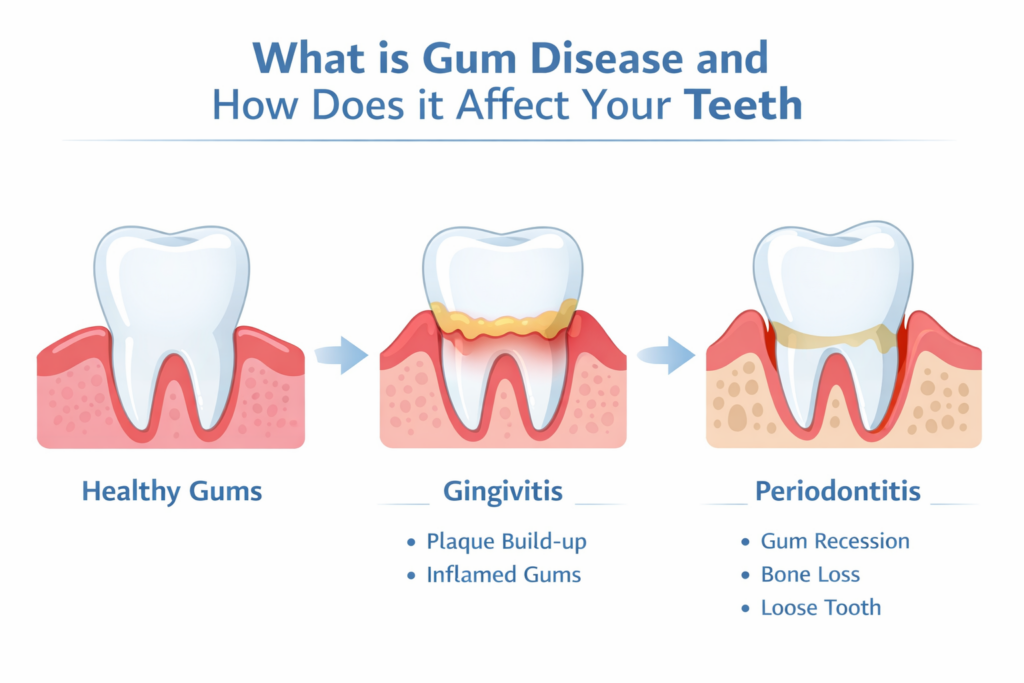
What is Gum Disease and How Does it Affect Your Teeth
Gum disease, or periodontal disease, is a condition that affects the tissues in your mouth supporting your teeth, such as the gums, bone, and ligaments. It usually begins with gingivitis, or early gum disease, caused by the accumulation of plaque on the teeth. If left untreated, gingivitis can progress to periodontitis, a more chronic form of periodontal disease characterized by gum recession and tooth mobility, which can result in teeth falling out.
The initial stages of gum disease may also cause symptoms such as inflammation, redness, or bleeding gums. When you feel like your teeth feel loose, or if you notice that your gums are receding, then it is time for you to get professional gum disease treatment in Elmwood Park. If left untreated, the infection can spread to the bone, further destabilizing your teeth.
Effective Treatments to Fix Loose Teeth Caused by Gum Disease
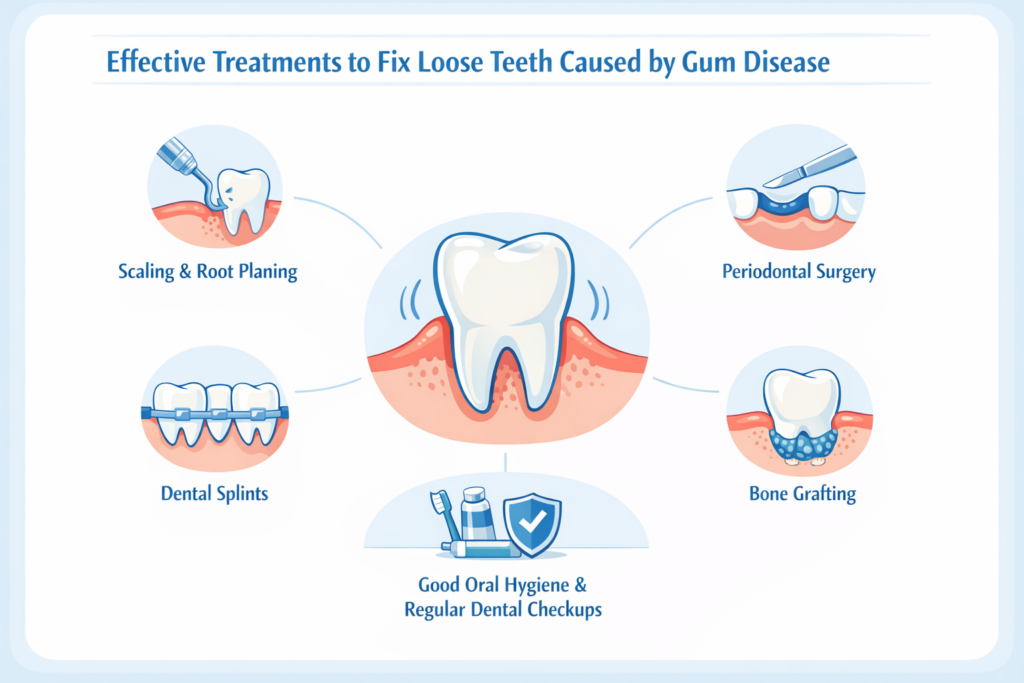
If your teeth have become loose due to gum disease, don’t despair — there are ways to treat it and restore stability. Below are the main steps Dr. Gonzalez recommends for treating loose teeth from gum disease:
Scaling and Root Planing
Scaling and root planing is a two-part cleaning process that effectively removes plaque and tartar from tooth surfaces and from deep below the gumline. This process allows the gums to reattach to the teeth while preventing further damage by thoroughly cleaning the teeth and smoothing out the roots. Scaling is a non-surgical procedure and often the first step of treating gum disease.
Periodontal Surgery
In the early stages, it is possible to reverse gum disease, but in more advanced cases, one may need periodontal surgery to save loose teeth. The process involves a dentist making incisions in the gum tissue to access the areas of concern, remove infected tissue, and clean out the roots. In certain cases, bone grafting may be required to restore lost bone density in the jaw, stabilize the teeth, and prevent them from shifting further.
Bone Grafting
In advanced gum disease, bone loss can occur around the teeth. Bone grafting is a process that physically restores the lost bone of the jaw. This procedure involves placing bone graft material in the affected area to stimulate new bone growth and strengthen the foundation of your teeth. This procedure may be performed alongside other treatment methods to stabilize loose teeth.
Dental Splints
In some cases, when teeth are loose but not ready for extraction, a dental splint can hold the teeth together and stabilize them as the gum heals. A splint is a custom-made device that secures the affected teeth together and prevents excessive movement till the gums and bone regenerate.
Good Oral Hygiene and Regular Dental Checkups
After treatment, patients must practice good oral hygiene to avoid the recurrence of gum disease. Twice-daily brushing, daily flossing, and mouthwash use can help keep gums healthy and reduce plaque buildup. Routine dental checkups are also crucial for detecting and promptly treating any remaining signs of gum disease.
The Importance of Gum Disease Treatment in Elmwood Park for Your Oral Health
Untreated, gum disease can result not just in lost teeth but also elevate your risk for other serious health problems, including heart disease and diabetes, and respiratory issues. Receiving timely gum disease treatment can prevent these complications and help you keep your natural teeth for many years.
Dr. Gonzalez and our staff at North Avenue Dental Care are here to deliver the entire range of care needed to keep gums and teeth healthy. We offer the most modern techniques for restoring your dental health, such as scaling and root planing, as well as other restorative work to preserve your teeth and reverse metabolic disease.
Conclusion: Take Action Now to Restore Your Smile
If you are dealing with loose teeth due to gum disease, it is important to seek appropriate gum disease treatment in Elmwood Park as soon as possible. Gum disease can be managed with early intervention, and the health of your teeth and gums can be restored. Do not wait until the issue becomes a larger problem.
If you are experiencing loose teeth due to gum disease, contact North Avenue Dental Care today to find out more about your treatment options.
Common Questions about Gum Disease Treatment
How can I tell if I have gum disease?
Early signs include red, swollen gums, bleeding while brushing or flossing, and bad breath. If you notice any of these symptoms, it’s important to consult with your dentist.
Is gum disease treatment painful?
Most gum disease treatments are not painful, especially with local anesthesia. After treatment, you may experience mild discomfort, but this can usually be managed with over-the-counter pain relievers.
How long does it take to recover from scaling and root planing?
Recovery typically takes a few days to a week, with most patients experiencing significant improvement in gum health within a couple of weeks.
Can loose teeth be saved if caused by gum disease?
Yes, in many cases, loose teeth can be stabilized with appropriate treatment such as scaling and root planing, periodontal surgery, or bone grafting.