Click To Text
Can You Get Veneers with Cavities? Why We Have to “Clear the Foundation” First


Many patients come to us excited about the idea of transforming their smile with veneers, a popular cosmetic treatment that can completely enhance the appearance of their teeth. But what happens when there are cavities involved? Can you still get veneers if you have decay beneath the surface? Wondering why it’s essential to treat cavities before veneers are placed?
In this blog, we’ll explain why addressing cavities is a crucial step before getting veneers and how taking care of your tooth’s health ensures the longevity of your new smile. While veneers are an excellent solution for many dental issues, we need to make sure your teeth are in optimal condition before moving forward.
What Are Veneers?
Veneers are ultra-thin shells made from materials like porcelain or composite resin that are designed to cover the front of your teeth. These shells are custom-made to fit your teeth and can be bonded directly to the tooth surface. The result is a stunning, natural-looking smile.
The primary benefit of veneers is their ability to dramatically improve the appearance of your teeth. Whether your teeth are discolored, chipped, misaligned, or have noticeable imperfections, veneers offer an effective solution to achieve a flawless smile. They also provide durability, with porcelain veneers being highly resistant to stains, ensuring your smile stays bright for years to come.
There are two main types of veneers:
- Porcelain Veneers: These are made from a durable, translucent material that mimics the appearance of natural teeth. They are ideal for those looking for a long-lasting, stain-resistant solution.
- Composite Veneers: Made from a resin material, composite veneers are a more affordable option and can be applied in a single visit. While they may not last as long as porcelain, they still offer great results for patients seeking a quick fix.
Both types of veneers in Elmwood Park help create the perfect smile, but the material you choose will depend on your aesthetic goals, budget, and the condition of your teeth.
Understanding Cavities and Their Impact on Veneers
What Are Cavities?
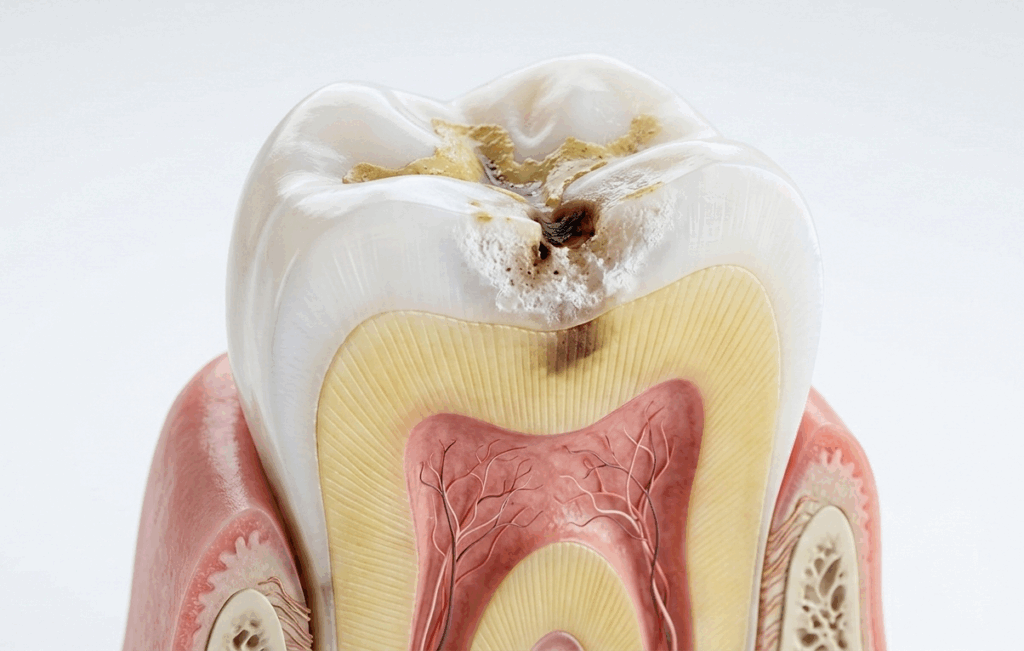
Cavities are areas of your teeth that have been damaged by decay. The bacteria in your mouth feed on sugars and produce acid that erodes the enamel of your teeth. Over time, this leads to small holes or cavities. While cavities may seem like a minor issue, they can compromise the structure of your teeth and lead to more serious dental problems if not treated.
Why Cavities Can’t Be Covered
It may seem tempting to cover up cavities with veneers, but it’s important to understand that veneers are applied to the surface of your teeth. If the underlying tooth is decayed or weakened, there’s a risk that the veneer will not properly bond to the tooth. The tooth may also continue to decay beneath the veneer, leading to more damage, pain, or even tooth loss.
Moreover, veneers placed over untreated cavities can cause further complications. As the cavity worsens, it can lead to infections or pain, especially if the decay reaches the nerve. This will eventually compromise the veneer, causing it to fall off or fail to serve its intended purpose.
The Importance of ‘Clearing the Foundation’
The Concept
Before any cosmetic dental work, it’s essential to “clear the foundation,” much like building a house on a solid, level foundation. If there’s damage or instability in the structure (like cavities or decay), the veneer won’t have the strong support it needs to stay in place and function properly. Ensuring the tooth is healthy before placement will give your veneers the best possible chance of success.
Dental Preparation
Clearing the foundation involves addressing any existing cavities or dental issues. This may include cleaning out decayed areas, filling cavities, and sometimes performing root canals if the decay has reached the tooth’s pulp. Once the tooth is healthy and stable, the enamel can be prepared to properly bond with the veneer.
Long-Term Results
Proper preparation before placing veneers ensures that the final result is both aesthetically pleasing and functional. When cavities are addressed first, the veneers are more likely to last, preventing future complications like further decay, infections, or the need for more costly procedures later on. Additionally, taking care of the underlying tooth structure improves your overall oral health and keeps your smile looking great for years to come.
How We Address Cavities Before Veneer Placement
At North Avenue Dental Care, we prioritize the health of your teeth before considering any cosmetic enhancements like veneers. Here’s how we address cavities before placing veneers:
Step 1: Diagnosing Cavities
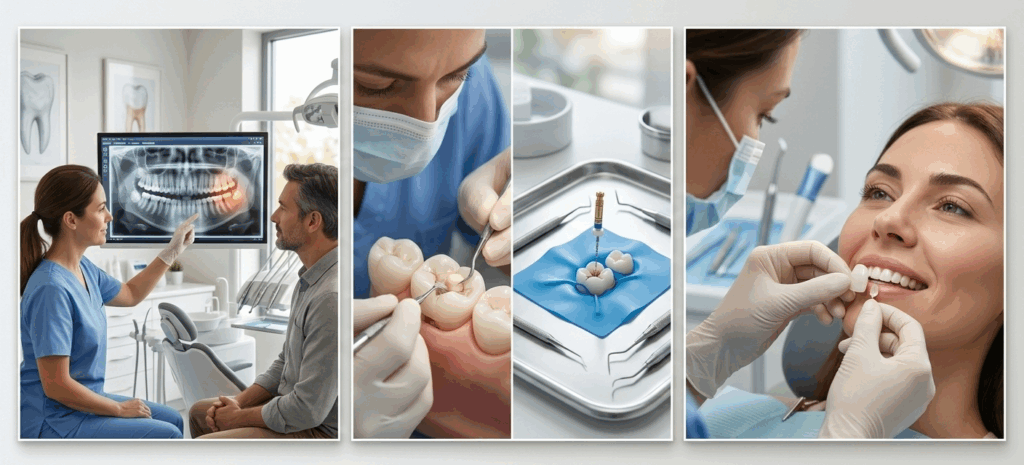
We begin with a thorough examination and often use X-rays to detect any underlying decay that may not be visible to the naked eye. This helps us assess the overall health of your teeth and plan the best course of action.
Step 2: Treatment Options
Once we identify cavities, we will treat them before moving forward with veneers. This could involve:
- Fillings: For minor cavities, fillings are used to restore the structure and function of your tooth.
- Root Canals: If the cavity has reached the nerve, a root canal might be necessary to remove the infected tissue and prevent further damage.
Step 3: Veneer Application
Once the cavities are treated and the tooth is restored, we can safely apply the veneer. The tooth will be free from decay, and the veneer will have a stable, healthy foundation to adhere to, ensuring the long-term success of the treatment.
Can Veneers Be Placed if You’ve Had Previous Dental Work?
Previous Fillings or Crowns
If you’ve had fillings or crowns in the past, you might still be a candidate for veneers in Elmwood Park. The key factor is the condition of the underlying tooth. If the tooth structure is healthy and stable, veneers can be placed, even over older restorations.
However, if the fillings or crowns are damaged or if there is decay beneath them, it’s essential to address these issues first to ensure the veneer will bond properly.
Condition of the Tooth
The overall health of the tooth is crucial when placing veneers. If the tooth is severely weakened due to decay or prior dental work, a crown might be a better option than a veneer. Your dentist will assess your individual needs and make the best recommendation for your smile.
Getting veneers is an exciting way to enhance your smile, but it’s important to clear the foundation first. Cavities and dental decay must be treated before veneers are applied to ensure long-lasting results and maintain the health of your teeth. At North Avenue Dental Care, we are committed to providing comprehensive dental care that addresses both cosmetic and health concerns for our patients.
Want to find out if you’re ready for veneers? Schedule a consultation with us today to discuss your options and start your journey to a brighter, healthier smile!
What People Ask?
What happens if I don’t treat cavities before veneers?
If cavities aren’t treated, they can worsen under the veneer, causing discomfort, infections, and potentially requiring more intensive treatment later.
How are cavities treated before veneer placement?
Cavities are treated with fillings or, if necessary, a root canal to restore the tooth’s structure and ensure it’s stable for the veneer application.
Can I still get veneers if I have previous dental work?
Yes, if your previous dental work, like fillings or crowns, is in good condition. However, any underlying decay should be addressed before placing veneers.
How long does it take to treat cavities before veneers?
Treating cavities typically takes one or two visits, depending on the severity of the decay, allowing sufficient time for the tooth to heal before veneers are placed.
How do I maintain my veneers after cavity treatment?
Good oral hygiene, including brushing, flossing, and regular dental checkups, will help maintain both your veneers and overall dental health.