Click To Text
Dental Implants: Complete Guide

Dental Implants: A Complete Guide to Restoring Your Smile
Dental implants have transformed how dentists approach tooth loss. They offer a permanent, natural-looking solution for missing teeth. At North Avenue Dental Care of Elmwood Park, our dental team helps patients understand every step of this process. Whether you’ve lost one tooth or several, this guide covers everything you need to know.
What Are Dental Implants?
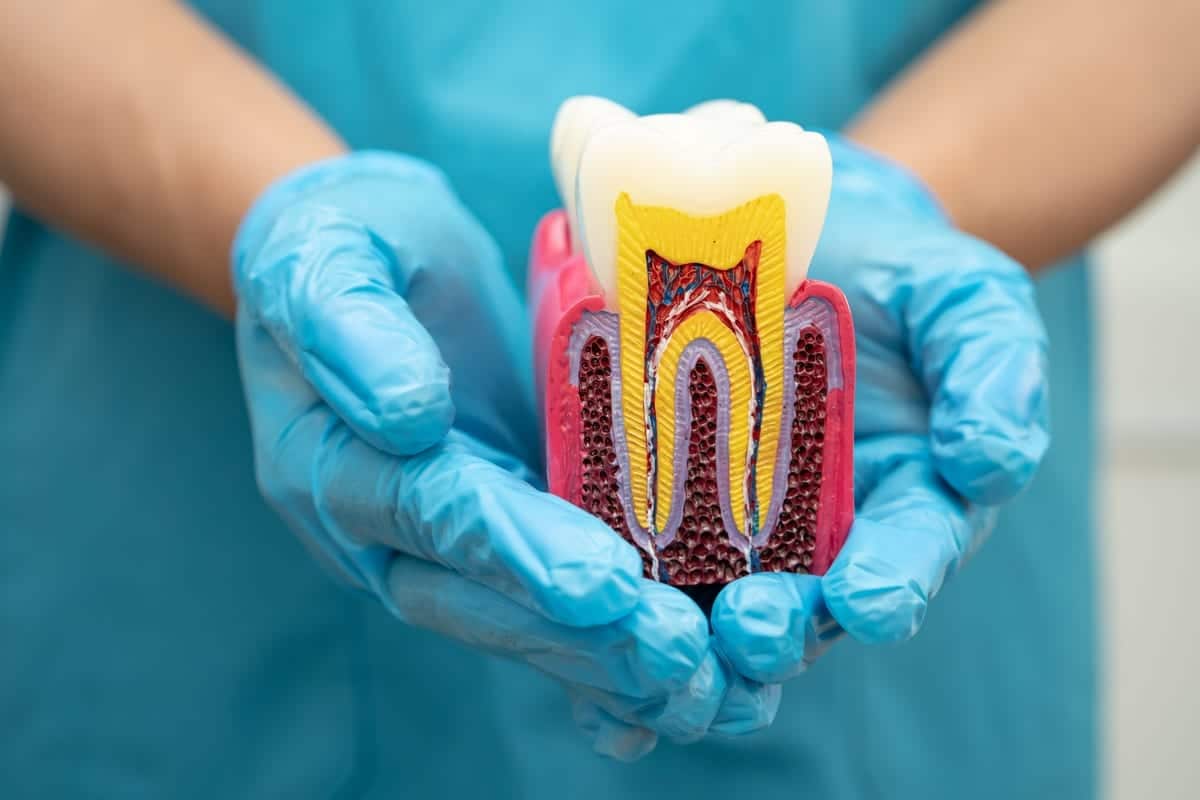
A dental implant is a small titanium post placed into the jawbone. It acts as an artificial tooth root. Over time, the bone fuses with the post through a process called osseointegration. This creates a stable, lasting foundation for a replacement tooth.
The implant is topped with an abutment and a custom crown. Together, these three parts mimic the look and function of a natural tooth. No one will notice the difference when you smile, speak, or eat.
Unlike removable dentures, implants stay fixed in your mouth. They don’t slip or require adhesive. This makes them the most functional tooth replacement option available today.
Who Is a Good Candidate for Dental Implants?
Most healthy adults with missing teeth can consider implants. Good candidates have adequate jawbone density to support the implant post. Healthy gums are also essential for a successful outcome.
Certain conditions may require evaluation before proceeding. These include uncontrolled diabetes, heavy smoking, or active gum disease. Our dental team will review your health history thoroughly at your consultation.
Age also matters in a different way — younger patients whose jaws are still developing may need to wait. Adults of any age, however, are generally strong candidates. Many patients in the Elmwood Park community are surprised to learn they qualify.
Key Benefits of Dental Implants
Implants offer advantages that other tooth replacement options simply can’t match. Here is a summary of the most important benefits:
- Permanent solution: With proper care, implants can last a lifetime.
- Natural appearance: Custom crowns blend seamlessly with surrounding teeth.
- Bone preservation: Implants stimulate the jawbone and prevent bone loss.
- Improved speech: No slipping or shifting means clearer speech.
- Easy maintenance: Brush and floss just like natural teeth.
- Better nutrition: Eat all your favorite foods without restriction.
These benefits combine to improve overall quality of life. Patients often report feeling more confident in social settings. A restored smile can make a real difference heading into late spring events like graduations, proms, and family gatherings.
The Dental Implant Process: What to Expect
Understanding the process helps patients feel prepared. The journey from consultation to final crown typically takes several months. Each stage is important for long-term success.
Here is a general overview of the implant process:
- Initial consultation: Our team examines your teeth, gums, and jawbone. X-rays and 3D scans may be taken.
- Treatment planning: A personalized plan is created based on your specific needs.
- Implant placement: The titanium post is surgically placed into the jawbone under local anesthesia.
- Healing phase: The bone gradually fuses with the implant over several weeks or months.
- Abutment placement: Once healed, a small connector piece is attached to the implant.
- Crown attachment: A custom-made crown is fitted to complete your new tooth.
The total timeline varies from patient to patient. Some cases require bone grafting before implant placement. Our team will give you a realistic timeline during your planning appointment.
Recovery Expectations After Implant Surgery
Most patients experience mild discomfort following implant placement. Swelling, bruising, and minor bleeding are common in the first few days. Over-the-counter pain relievers usually manage any discomfort effectively.
Most patients return to normal activities within a day or two. Soft foods are recommended during the initial healing phase. Avoid hard, crunchy, or very hot foods for the first week.
The osseointegration phase is the longest part of recovery. This can take anywhere from six weeks to several months. Our team schedules follow-up visits to monitor your healing progress closely.
Good oral hygiene is critical during recovery. Rinse gently with warm salt water after meals. Avoid smoking, as it can significantly impair healing and implant success rates.
Choosing the Right Provider for Dental Implants
The success of your implant depends heavily on your provider’s skill and experience. Not all dental practices offer the same level of implant expertise. Look for a team with advanced training and a history of successful outcomes.
Technology also plays an important role. Digital imaging, 3D cone beam scans, and precise surgical guides improve accuracy. These tools lead to better fitting implants and smoother recoveries.
Communication matters too. Your provider should explain every step clearly and answer all your questions. At North Avenue Dental Care of Elmwood Park, our dental team takes time to ensure you feel confident and informed. Learn more about our approach by visiting our About page.
Ask about the materials used for the crown and implant post. High-quality materials produce longer-lasting, more natural-looking results. Don’t hesitate to ask for before-and-after photos of previous implant cases.
Caring for Your Dental Implants Long-Term
Implants require the same care as natural teeth. Brush twice daily with a soft-bristle toothbrush. Floss at least once a day to keep the gum line clean and healthy.
Regular dental checkups are essential for implant longevity. Our team checks the implant, crown, and surrounding tissue at every visit. Early detection of any issue protects your investment.
Avoid habits that can damage your implant. These include chewing ice, grinding teeth, or using your teeth as tools. A custom night guard may be recommended if you grind your teeth during sleep.
With the right care, your implant can last decades. Many patients enjoy their implants for life without any complications. Explore our full range of dental services to support your long-term oral health.
Conclusion
Dental implants represent one of the most effective and lasting solutions for missing teeth. They restore function, preserve bone, and deliver a natural-looking smile. If you’re considering this treatment as part of your spring health goals, now is a great time to take the first step. Learn More about how we can help you.
Frequently Asked Questions
How long do dental implants last?
With proper care and regular dental visits, dental implants can last a lifetime. The crown on top may need replacement after 10 to 15 years due to normal wear.
Is the dental implant procedure painful?
Most patients report less discomfort than expected. Local anesthesia is used during placement to ensure comfort. Mild soreness after the procedure typically resolves within a few days.
How many teeth can be replaced with implants?
Implants can replace a single tooth, multiple teeth, or even a full arch. Implant-supported bridges and full-arch restorations are options for patients with significant tooth loss.
Can dental implants fail?
Implant failure is rare but possible. Risk factors include smoking, uncontrolled systemic conditions, and poor oral hygiene. Following your care team’s instructions greatly reduces this risk.
How do I get started with dental implants at North Avenue Dental Care of Elmwood Park?
The first step is scheduling a consultation with our dental team. We will evaluate your oral health, take necessary imaging, and create a personalized treatment plan tailored to your needs.