Click To Text
Early Cavity Detection in Elmwood Park, IL


Here is something most Elmwood Park residents do not realize: a tiny cavity caught early costs very little to fix. But that same cavity, left alone for a year or two, can spiral into a $1,500 problem. Understanding why that small cavity costs $50 now but $1,500 later in Elmwood Park could be the most valuable dental lesson you ever learn. Dr. Michael Gonzalez and the team at North Avenue Dental Care of Elmwood Park see this pattern constantly — and it is entirely preventable.
How a Small Cavity Becomes a Big Problem
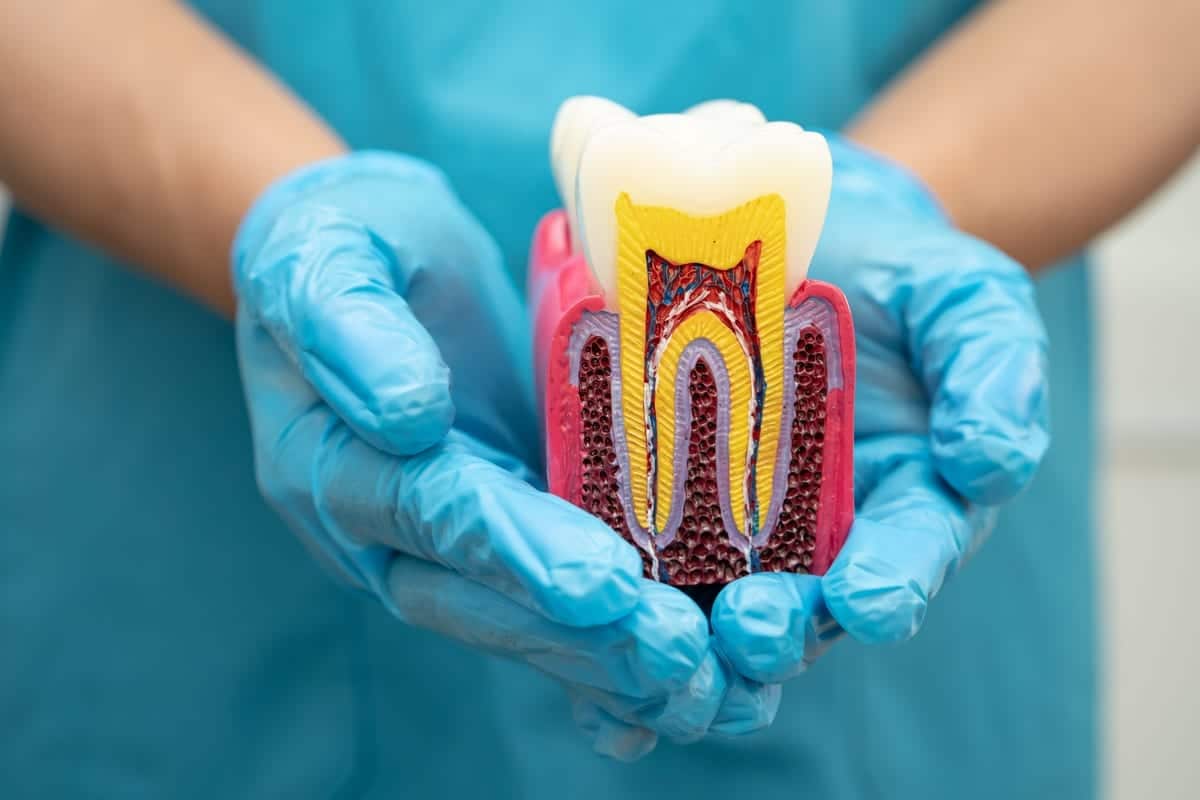
Tooth decay does not stand still. It starts in the outer enamel layer, where it causes almost no symptoms. At this stage, a simple filling is quick, painless, and inexpensive.
If you skip your routine checkup, the decay keeps moving inward. It reaches the softer dentin layer beneath the enamel. Now the filling is larger and costs more.
Leave it longer, and bacteria reach the inner pulp of the tooth. That is when a simple cavity becomes a full-blown infection. Pain, swelling, and a much larger dental bill follow.
The decay does not care about your schedule. It progresses whether you feel it or not. That is exactly why early detection matters so much.
The Real Cost Difference: Early vs. Late Treatment in Elmwood Park
Let us put real numbers to this. A small cavity treated with a composite filling typically costs between $50 and $200. That is a quick appointment and you are done.
Wait until decay reaches the dentin, and you may need a larger filling or an onlay. Costs jump to $300–$600 depending on severity. The procedure also takes longer.
Let decay reach the pulp, and you now need a Root Canals treatment. Root canals typically range from $700 to $1,500 or more. You will also need a crown afterward, adding several hundred dollars more.
In a worst-case scenario, the tooth cannot be saved at all. Extraction followed by a dental implant can cost $3,000 to $5,000. All of this from one tiny cavity that went undetected.
What Happens During an Early Detection Checkup
Routine checkups are your best defense against runaway dental costs. At North Avenue Dental Care of Elmwood Park, Dr. Gonzalez uses a thorough examination process. He looks for decay, cracks, gum disease, and other early warning signs.
Here is what you can expect during a standard early detection visit:
- A full visual examination of every tooth surface
- Digital X-rays to spot decay hiding between teeth
- A professional teeth cleaning to remove plaque buildup
- Gum health measurements to detect early periodontal issues
- A personalized report on any areas of concern
This entire process takes about an hour. Catching a problem here means treating it at the cheapest and least invasive stage possible. That is true prevention in action.
Beyond Cavities: Other Problems That Grow Quietly
Cavities are not the only dental issue that gets more expensive with time. Several common conditions follow the same pattern of silent progression.
Gum disease, for example, starts as mild gingivitis. Caught early, a professional cleaning resolves it. Left untreated, it becomes periodontitis — a condition requiring deep cleaning, medication, and sometimes surgery.
Cracked teeth are another example. A small crack spotted early can often be treated with a crown. A crack that spreads to the root may require extraction and implant placement instead.
Even cosmetic concerns like worn enamel or staining respond better to early treatment. Options like Cosmetic Dentistry services work best when the underlying tooth structure is still healthy. Waiting until damage is severe limits what is possible.
The earlier you address any dental issue, the more treatment options remain available to you.
Simple Habits That Support Early Detection
Twice-yearly checkups are the foundation of early detection. But your daily habits also play a major role in keeping small problems from becoming large ones.
Here are practical habits every Elmwood Park patient should follow:
- Brush twice daily with fluoride toothpaste for two full minutes
- Floss every single day to remove decay-causing plaque between teeth
- Limit sugary drinks and snacks that feed cavity-causing bacteria
- Drink plenty of water, especially fluoridated tap water
- Do not ignore tooth sensitivity — it is often an early warning sign
- Schedule your dental checkup every six months without exception
These steps cost nothing but a few minutes each day. Combined with professional checkups, they form a powerful barrier against expensive dental work.
Why Elmwood Park Patients Trust Dr. Gonzalez for Preventive Care
Dr. Michael Gonzalez built North Avenue Dental Care of Elmwood Park around one core belief: prevention always beats intervention. His approach to care is educational, not alarming. He walks patients through exactly what he finds and why it matters.
Patients appreciate the transparency. When Dr. Gonzalez finds an early cavity, he explains the options clearly. He never recommends unnecessary treatment. His goal is to help you make informed decisions that protect your smile long-term.
The practice offers general dentistry, teeth cleaning, dental implants, veneers, Invisalign, dental crowns, orthodontics, and more. Every service connects back to the same mission: catch problems early and keep your smile healthy for life.
Do Not Wait for Pain to Visit the Dentist
Pain is a late symptom in dental disease. By the time a tooth hurts, the problem has usually grown well beyond the inexpensive fix stage. Many Elmwood Park patients come in saying they had no pain — until suddenly they did.
That is the cruel reality of dental decay. It is largely painless in its early, treatable stages. Waiting for discomfort to prompt a visit means waiting until treatment is already more complex and more expensive.
Understanding why that small cavity costs $50 now but $1,500 later in Elmwood Park is the first step. Taking action is the second. Schedule your routine checkup before a small problem demands a big solution. Book Now to schedule your appointment with our team.
Frequently Asked Questions
How often should I get a dental checkup to catch cavities early?
Most dentists recommend a checkup every six months. However, Dr. Gonzalez may recommend more frequent visits if you are at higher risk for decay or gum disease. Consistent scheduling is the single most effective way to catch small problems before they grow.
Can a cavity really turn into a root canal if left untreated?
Yes, absolutely. Untreated decay progresses through the enamel, into the dentin, and eventually into the pulp of the tooth. Once bacteria reach the pulp, infection sets in and a root canal becomes necessary to save the tooth. This is why early treatment is so important.
What does a cavity feel like in its early stages?
Early cavities often cause no symptoms at all. Some patients notice slight sensitivity to hot, cold, or sweet foods. However, many early cavities are completely silent. Only a dental exam with X-rays can reliably detect them before they cause pain.
Is teeth cleaning really necessary if I brush and floss at home?
Yes. Home brushing and flossing remove soft plaque, but hardened tartar can only be removed with professional tools. Tartar buildup leads to gum disease and cavity progression. Professional cleanings also allow the dentist to spot early problems you cannot see yourself.
What if a tooth is too damaged to save with a filling or crown?
If a tooth cannot be saved, extraction may be necessary. Dr. Gonzalez then discusses replacement options such as dental implants. Implants restore function and appearance but come at a significantly higher cost than treating the original cavity early. Prevention and early treatment remain the best path forward.