Click To Text
Dental Implant Recovery in River Grove, IL

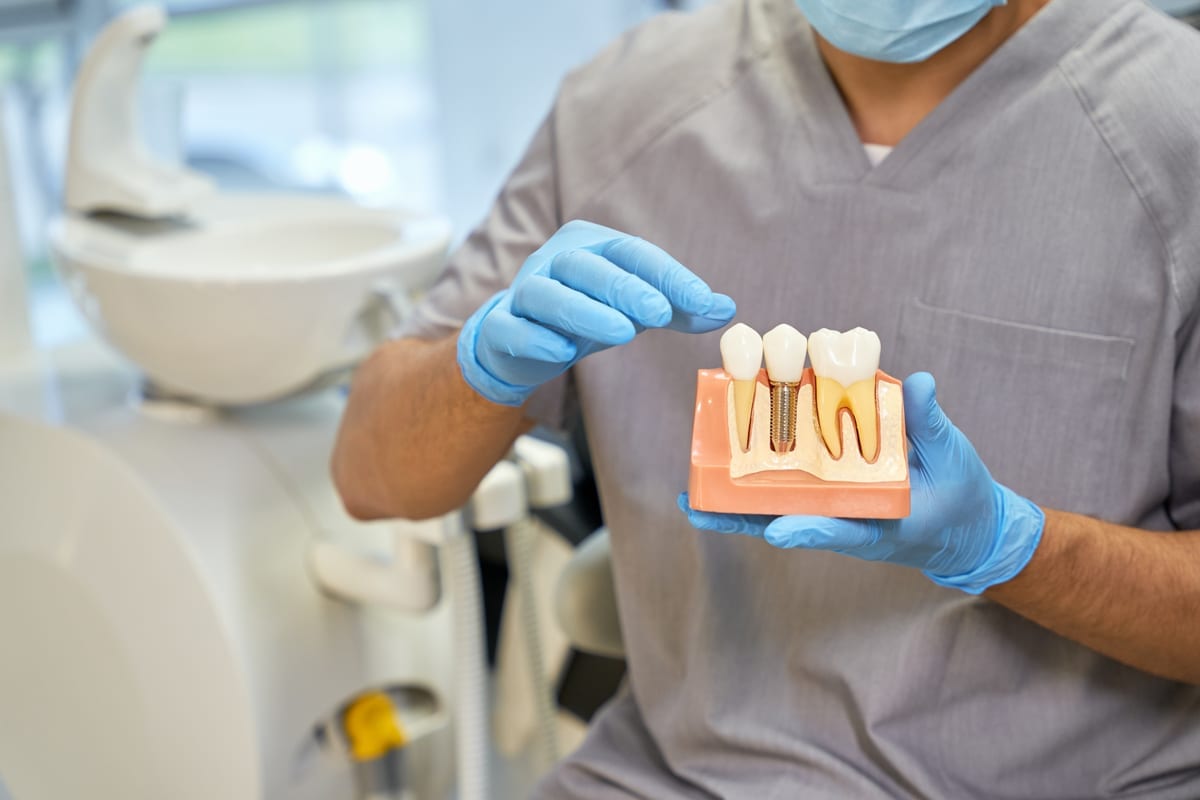
If you’re considering dental implants near River Grove, understanding recovery is just as important as the procedure itself. Knowing what to expect during dental implant recovery week by week in River Grove helps you heal faster and with less stress. At North Avenue Dental Care of Elmwood Park, Dr. Michael Gonzalez guides every patient through each stage of healing. This article gives you a clear, realistic picture of the recovery journey ahead.
Why Dental Implant Recovery Takes Time
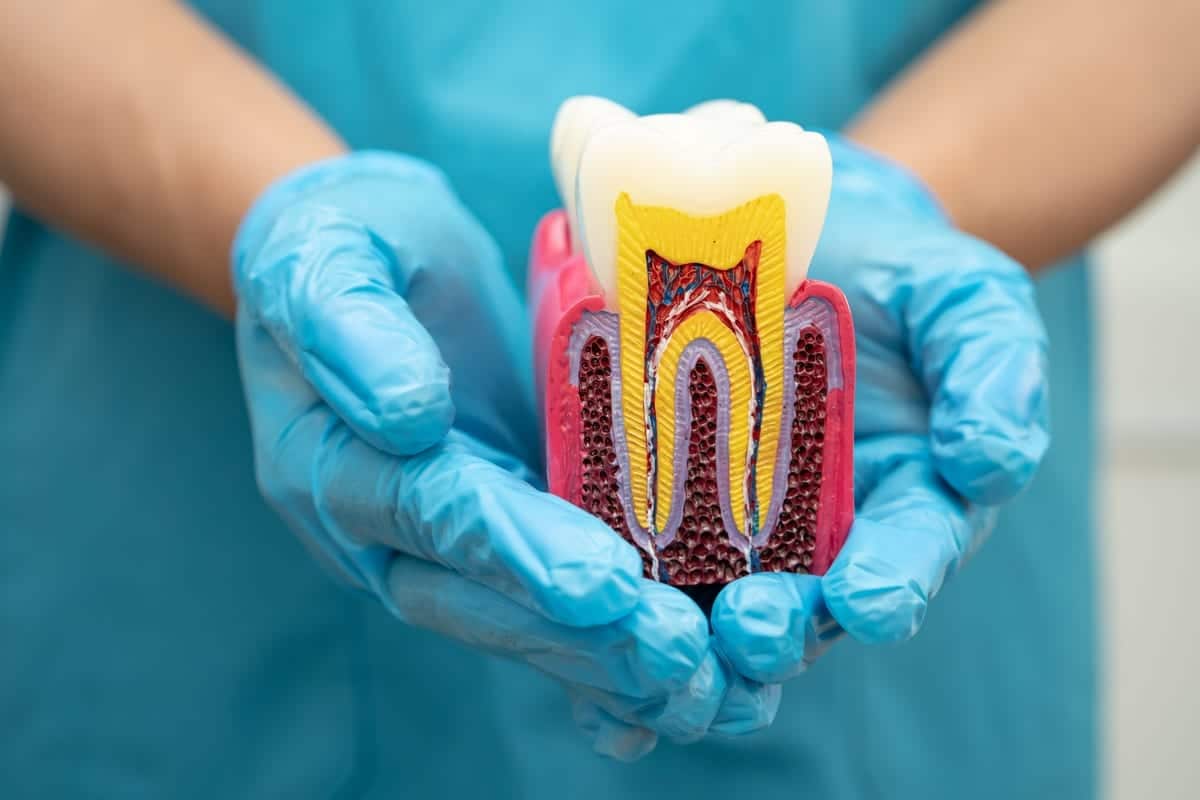
Dental implants are not like a simple filling or cleaning. The implant post is surgically placed into your jawbone, where it must fuse with surrounding bone tissue. This process is called osseointegration, and it takes real time to complete. Rushing it or skipping aftercare steps can compromise your results.
Most patients near River Grove are surprised by how manageable recovery actually is. Discomfort is usually mild to moderate and peaks in the first few days. After that, most people return to normal routines fairly quickly. Understanding the timeline helps you plan and reduces unnecessary anxiety.
Your jawbone needs weeks — sometimes months — to fully accept the implant. The good news is that most of that healing happens quietly in the background. You won’t feel major discomfort beyond the first week or two. Staying informed keeps you confident through every phase.
Week by Week: What to Expect During Dental Implant Recovery in River Grove
Breaking recovery into weekly phases makes it far easier to manage. Each week brings noticeable changes in how you feel and what you can do. Here is a realistic guide to the recovery timeline most patients experience.
Week 1: The Acute Recovery Phase
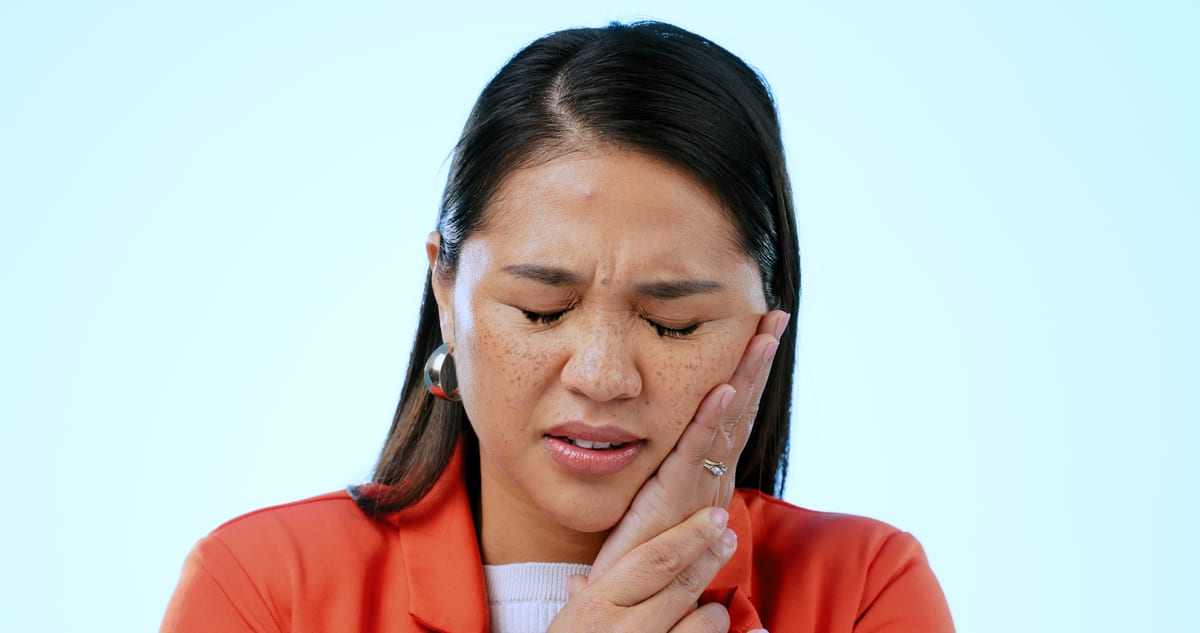
The first 24 to 72 hours are the most intense. You may experience swelling, mild bleeding, and soreness at the implant site. Dr. Gonzalez will prescribe or recommend pain relievers to keep you comfortable. Apply ice packs in 20-minute intervals to manage swelling.
Week 2: Swelling Subsides
By the end of week two, most swelling and bruising fades. Tenderness around the site continues but becomes much more manageable. You can begin reintroducing softer solid foods into your diet. Avoid hard, crunchy, or chewy foods for a few more weeks.
Weeks 3 and 4: Tissue Healing
Gum tissue heals significantly during this period. Most patients feel close to normal by week three or four. You can resume most daily activities without restriction. Continue avoiding hard foods and contact sports if possible.
Months 2 through 6: Osseointegration
This is the silent but critical phase of healing. The implant post fuses gradually with your jawbone. You likely will not feel much during this time. Dr. Gonzalez will monitor progress through periodic checkups.
What to Eat After Dental Implant Surgery
Your diet plays a major role in how smoothly you recover. Eating the wrong foods too soon can disturb the implant site. Start with soft, cool, or lukewarm options in the first few days. Then slowly progress to more solid textures as healing allows.
Good food choices during early recovery include:
- Yogurt and soft puddings
- Mashed potatoes and soft-cooked vegetables
- Smoothies and protein shakes (no straw — suction disrupts healing)
- Scrambled eggs and oatmeal
- Soft fish like tilapia or salmon
- Applesauce and ripe bananas
Foods to avoid include hard candies, raw carrots, chips, crusty bread, and sticky sweets. Hot beverages and alcohol should also be limited in the first week. These items can irritate the surgical site or slow clot formation. When in doubt, choose softer and cooler options.
Pain Management and Aftercare Tips
Managing discomfort effectively makes a huge difference in your recovery experience. Most patients near River Grove find that over-the-counter pain relievers work well. Dr. Gonzalez may also prescribe a short course of antibiotics to prevent infection. Following his instructions precisely is the most important step you can take.
Key aftercare tips to follow:
- Rinse gently with warm salt water starting 24 hours after surgery
- Brush carefully around the implant site — never scrub directly on it
- Sleep with your head slightly elevated for the first few nights
- Avoid smoking entirely — it significantly slows healing
- Skip vigorous exercise for at least the first week
- Attend all scheduled follow-up appointments
Swelling that worsens after day three or unusual discharge may signal infection. Contact our office right away if this happens. Early intervention prevents complications and keeps your implant on track. Never ignore symptoms that feel abnormal or intensifying.
Long-Term Care for Your Dental Implant
Once your implant fully integrates, caring for it is refreshingly simple. Treat it like a natural tooth — brush twice daily and floss regularly. A water flosser can help reach around the implant crown effectively. Routine dental checkups are essential for long-term implant health.
Implants are designed to last decades with proper care. They do not decay the way natural teeth do, but the surrounding gum tissue still needs attention. Gum disease remains a real risk even with implants. Staying consistent with oral hygiene protects your investment long-term.
Some patients also explore additional smile enhancements after implant placement. Options like Cosmetic Dentistry treatments can complement your implant beautifully. Veneers or whitening can help surrounding teeth match your new implant. Ask Dr. Gonzalez what options make sense for your smile goals.
Patients who previously needed Root Canals on failing teeth may find implants to be a strong long-term alternative. If a treated tooth eventually fails, an implant can restore full function. Discussing your full dental history helps Dr. Gonzalez create the best plan for you. Every patient’s situation is unique.
Ready to Start Your Implant Journey Near River Grove?
Understanding what to expect during dental implant recovery week by week empowers you to heal confidently. Dr. Michael Gonzalez and the team at North Avenue Dental Care of Elmwood Park are committed to supporting you at every stage. We serve patients throughout Elmwood Park, River Grove, and surrounding communities. Our approach is educational, compassionate, and always patient-centered.
You deserve a smile that lasts a lifetime, and implants can deliver exactly that. Recovery is temporary — the results are permanent. Let our experienced team walk you through every step of the process. Book Now to schedule your appointment with our team.
Frequently Asked Questions
How long does dental implant recovery take in total?
Full recovery, including osseointegration, typically takes three to six months. The most uncomfortable phase lasts only the first one to two weeks. After that, most patients feel normal and resume daily activities. Final restoration with the crown is placed once the implant fully integrates.
Is it normal to have swelling after implant surgery?
Yes, swelling is completely normal and expected after dental implant placement. It usually peaks around 48 to 72 hours after surgery. Applying ice packs and keeping your head elevated helps reduce swelling. It should improve noticeably by the end of the first week.
Can I go back to work the day after implant surgery?
Many patients return to desk work or light duties the day after surgery. Jobs involving heavy physical labor may require two to three days of rest. Every person heals at a slightly different pace. Dr. Gonzalez will give you personalized guidance based on your procedure and health.
What foods should I absolutely avoid after implant surgery?
Avoid hard foods like chips, nuts, raw vegetables, and hard candies. Sticky foods like caramel and gummy candies can also disturb the healing site. Hot beverages and alcohol should be limited in the first week. Start reintroducing normal foods gradually as your comfort allows.
When should I call the dentist during implant recovery?
Contact Dr. Gonzalez if swelling worsens after day three or if you notice unusual discharge. Severe or intensifying pain beyond the first week also warrants a call. Fever or a bad taste in your mouth could indicate infection. Prompt communication helps protect your implant and your overall health.