Click To Text

Teeth Whitening in Elmwood Park, IL

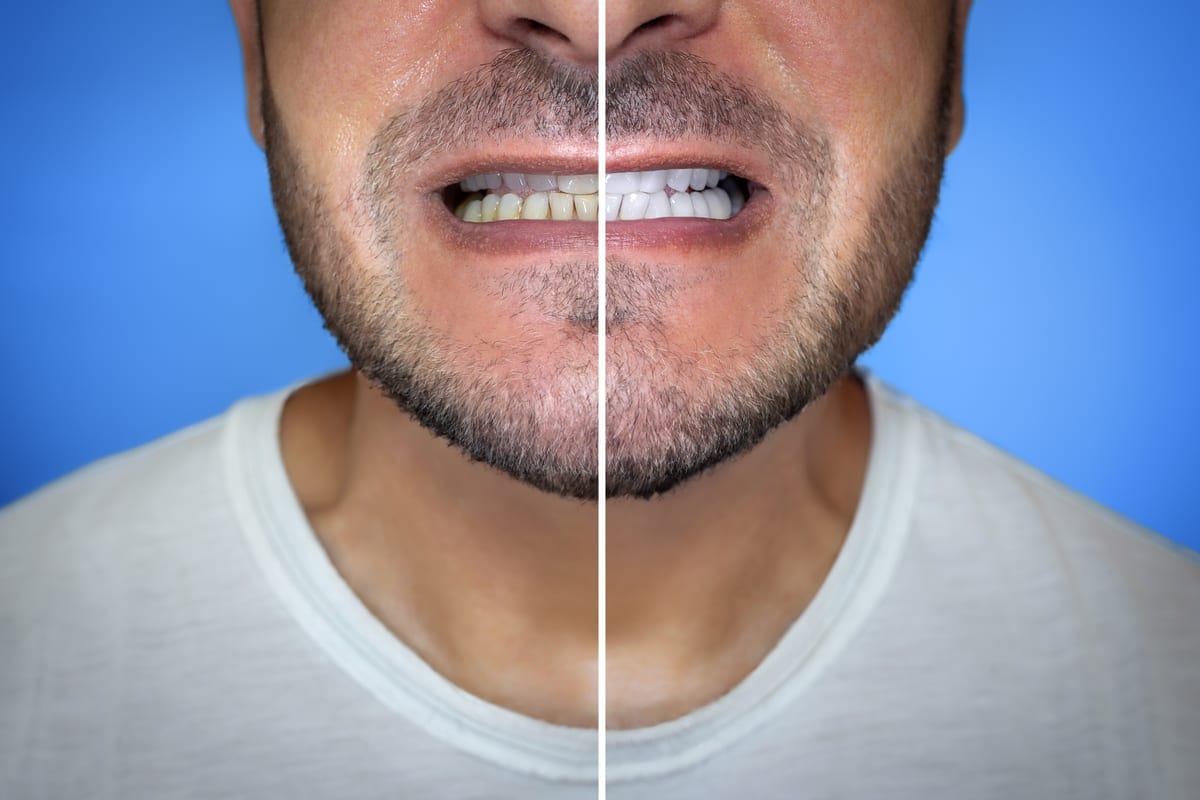
If you’ve been wondering, will professional teeth whitening work for you? Find out now — right here in Elmwood Park. Not everyone gets the same results from whitening treatments. Understanding your own candidacy saves time, money, and disappointment. Dr. Michael Gonzalez at North Avenue Dental Care of Elmwood Park helps patients make smart, informed decisions about brightening their smiles.
Professional whitening is one of the most popular services in Cosmetic Dentistry. But it’s not a one-size-fits-all solution. Some patients see dramatic results after a single session. Others discover that a different treatment path is better suited for their smile goals.
Who Gets the Best Results from Professional Whitening in Elmwood Park?
The ideal whitening candidate has naturally yellow or beige-toned teeth. These shades respond very well to professional-grade bleaching agents. Patients with this tooth tone often see results several shades brighter after treatment. That kind of dramatic change is both safe and achievable with professional oversight.
Surface stains from food and drink also respond beautifully to whitening. Coffee, tea, red wine, and certain foods leave behind extrinsic staining. This type of discoloration sits on the outer enamel layer. Whitening agents penetrate and lift those stains effectively.
Age-related yellowing is another area where whitening performs well. Enamel naturally thins as we age, allowing the yellowish dentin underneath to show through. Professional whitening can brighten enamel tone and create a noticeably younger-looking smile. Patients in their 30s, 40s, and beyond often benefit significantly.
Types of Stains That Respond Poorly to Whitening
Not all discoloration is created equal. Intrinsic stains — those that form inside the tooth structure itself — don’t respond well to bleaching. These stains develop within the dentin, not just on the surface. Standard whitening products simply can’t reach them effectively.
Tetracycline antibiotic staining is a well-known example of intrinsic discoloration. This medication, when taken during tooth development in childhood, can cause deep gray or brown banding. Even high-concentration professional whitening struggles to reverse this type of staining. Patients with tetracycline staining usually need alternative cosmetic options like veneers.
Fluorosis is another form of intrinsic discoloration. It results from excess fluoride exposure during childhood tooth development. The appearance ranges from white spots to brown or gray mottling. Whitening may actually make fluorosis spots more visible rather than less.
- Extrinsic stains (coffee, wine, tobacco) — respond well to whitening
- Age-related yellowing — responds well to whitening
- Intrinsic stains (tetracycline, fluorosis) — respond poorly or not at all
- Medication-induced gray or brown tones — typically require cosmetic alternatives
- Naturally gray-toned teeth — limited improvement with bleaching agents
Why Crowns, Veneers, and Fillings Won’t Whiten
This is one of the most important things patients in Elmwood Park need to understand. Whitening agents only work on natural tooth enamel. Dental restorations like crowns, veneers, bonding, and fillings do not respond to bleaching. They were color-matched to your teeth at the time of placement and will stay that shade.
If you whiten after getting a crown or veneer, a visible color mismatch may result. Your natural teeth brighten while the restoration stays the same shade. This creates an uneven, patchy appearance that many patients find frustrating. The solution is to whiten first, then match restorations to your new, brighter shade.
If you already have multiple visible restorations, whitening may still be an option. Dr. Gonzalez will evaluate which teeth are natural and which are restored. A customized plan can still improve the overall look of your smile. The key is having a clear picture of what to expect before treatment begins.
Dental Health Conditions That Affect Whitening Candidacy
Your overall oral health matters a great deal before starting any whitening treatment. Active cavities, gum disease, or exposed roots need to be addressed first. Whitening agents can irritate or damage already compromised tooth structures. Dr. Gonzalez always conducts a thorough exam before recommending whitening.
Tooth sensitivity is another consideration. Some patients already experience discomfort with hot, cold, or sweet foods. Whitening can temporarily increase sensitivity during and after treatment. Special desensitizing protocols exist to manage this, but your dentist needs to know your baseline before proceeding.
Patients who have recently had a Root Canals procedure may notice that the treated tooth doesn’t whiten the same way. A tooth that has undergone root canal therapy can darken internally over time. This internal discoloration requires a different approach called internal bleaching or a crown placement. Again, a consultation reveals the best path forward.
- Untreated cavities must be filled before whitening begins
- Gum disease should be treated and stable before bleaching
- Exposed root surfaces are sensitive and may not tolerate whitening gels
- Existing tooth sensitivity should be disclosed to your dentist
- Recent dental work may affect timing and treatment planning
What Happens During a Professional Whitening Consultation?
When you visit North Avenue Dental Care of Elmwood Park for a whitening consultation, Dr. Gonzalez starts with a full oral exam. He checks for cavities, gum health, and the condition of existing restorations. He also evaluates the natural tone of your teeth and identifies any staining patterns. This information guides a truly personalized recommendation.
He’ll ask about your lifestyle habits as well. Smoking, coffee consumption, and certain medications all factor into treatment planning. He’ll also discuss your whitening goals and set realistic expectations. Honest communication upfront leads to much better outcomes.
If professional whitening is the right fit, you’ll have options. In-office whitening delivers fast, dramatic results in a single appointment. Custom take-home trays offer convenience and gradual brightening over several weeks. Some patients even combine both approaches for maximum effect.
Conclusion: Your Smile Deserves an Honest Answer
The truth is, professional teeth whitening works incredibly well — for the right candidate. Understanding your stain type, existing restorations, and oral health status makes all the difference. Dr. Gonzalez and the team at North Avenue Dental Care of Elmwood Park are here to give you honest, personalized guidance. Book Now to schedule your appointment with our team.
Frequently Asked Questions
Will professional teeth whitening work if I have crowns or veneers?
No, whitening agents do not change the color of dental restorations like crowns or veneers. Those materials are matched to your tooth shade at placement and will not respond to bleaching. If you want a brighter smile with existing restorations, Dr. Gonzalez can discuss options like replacement or cosmetic contouring during a consultation.
How do I know if my stains are extrinsic or intrinsic?
Extrinsic stains sit on the outer surface of your enamel and are often caused by food, drink, or tobacco. Intrinsic stains develop inside the tooth structure from medications, trauma, or developmental factors. A dental exam is the most reliable way to determine which type you have and whether whitening will be effective.
Is professional whitening safe for sensitive teeth?
Many patients with mild-to-moderate sensitivity can safely undergo professional whitening with the right precautions. Dr. Gonzalez may recommend desensitizing treatments before or after your whitening session. It’s important to disclose any sensitivity issues before starting so the treatment plan can be adjusted appropriately.
How long do professional whitening results last in Elmwood Park?
Results typically last anywhere from six months to two or more years, depending on your diet and oral hygiene habits. Avoiding staining foods and beverages, brushing twice daily, and scheduling regular cleanings all help maintain brightness. Occasional touch-up treatments can also extend your results significantly.
What if whitening doesn’t work for my stains? Are there other options?
Yes, absolutely. Patients who are not good whitening candidates often achieve excellent results with veneers or dental bonding. These cosmetic options can mask intrinsic stains, uneven color, and other cosmetic concerns completely. Dr. Gonzalez will walk you through all available options during your consultation at North Avenue Dental Care of Elmwood Park.