Click To Text

Teeth Whitening Sensitivity in Elmwood Park, IL

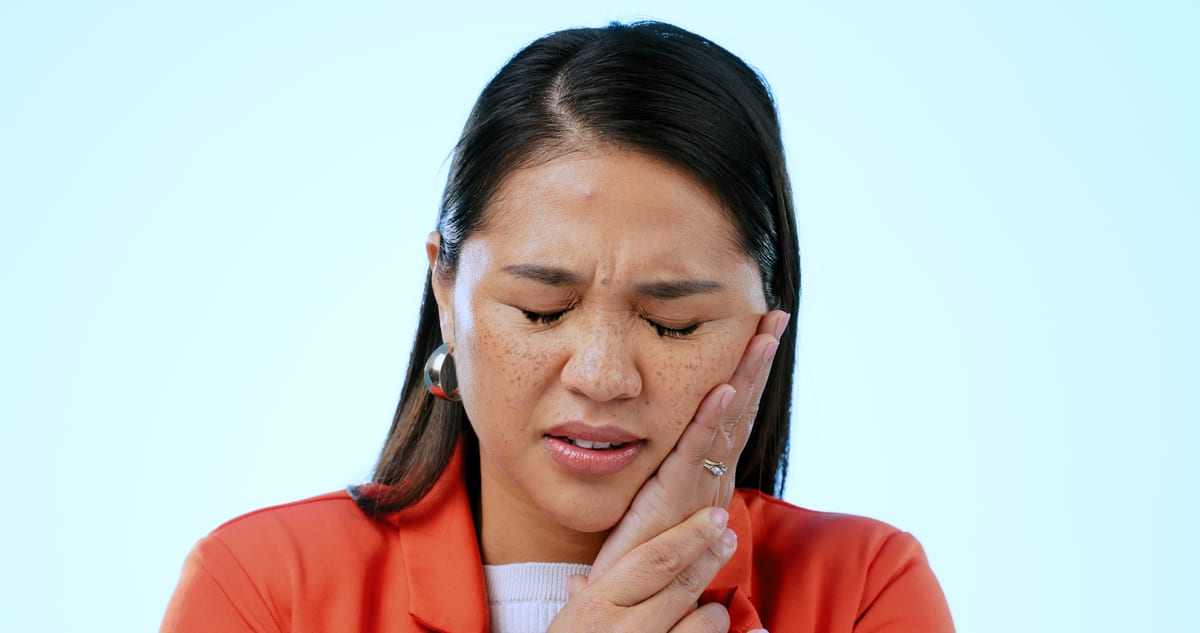
If the thought of whitening your teeth makes you wince, you are not alone. Many patients in Elmwood Park, IL hesitate because they worry about sensitivity. The good news is that you can stop fearing teeth whitening and manage sensitivity like a pro with the right guidance. Dr. Michael Gonzalez and the team at North Avenue Dental Care of Elmwood Park are here to walk you through everything you need to know.
Why Does Teeth Whitening Cause Sensitivity?
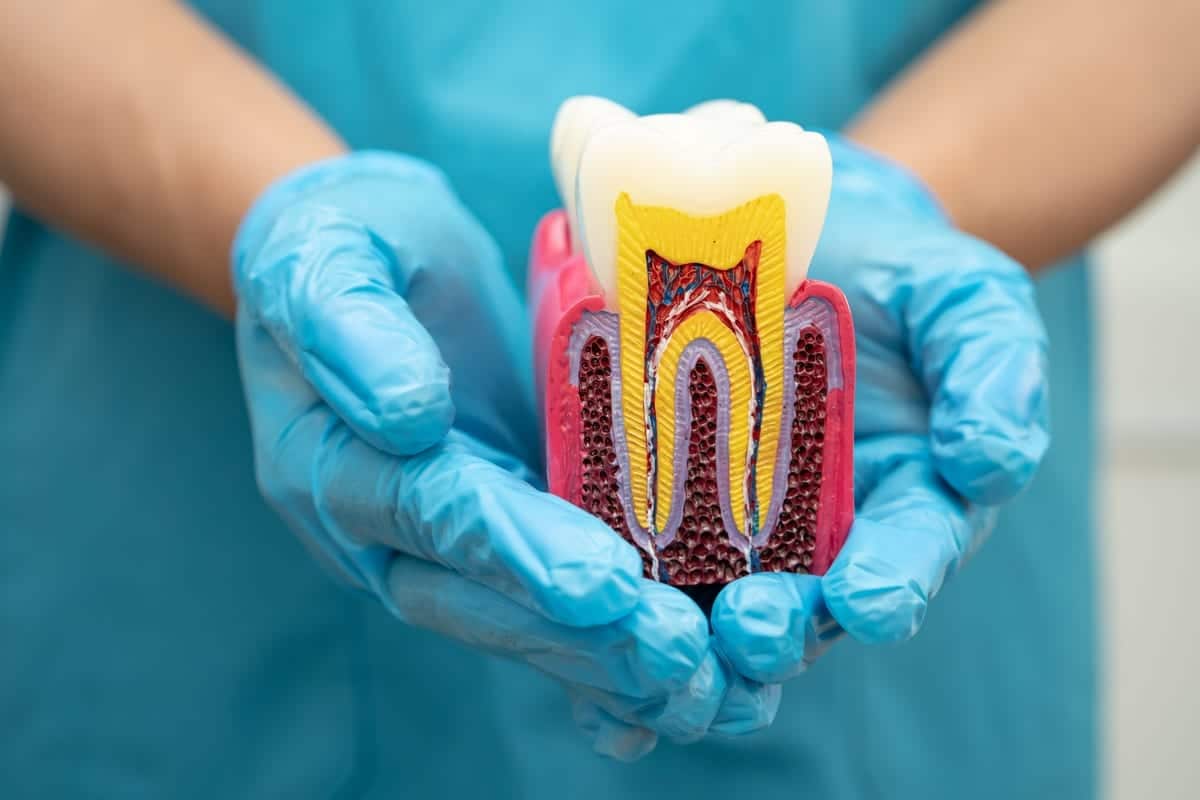
Sensitivity during whitening is very common. It happens because whitening agents — usually hydrogen peroxide or carbamide peroxide — temporarily open tiny channels in your enamel called dentinal tubules. These channels lead directly to the nerve of your tooth. When they are exposed, hot, cold, or sweet stimuli can trigger a sharp, brief zing of discomfort.
Not everyone experiences sensitivity equally. Patients with naturally thin enamel or existing gum recession tend to feel it more. Pre-existing conditions like small cracks or untreated cavities can also make whitening more uncomfortable. This is exactly why a professional evaluation before whitening is so important.
The sensitivity you feel is usually temporary. Most patients notice it during treatment or within 24–48 hours afterward. It rarely lasts longer than a day or two when the process is managed correctly.
How Dr. Gonzalez Minimizes Sensitivity During In-Office Whitening in Elmwood Park
Professional whitening at North Avenue Dental Care of Elmwood Park is very different from grabbing a kit off a drugstore shelf. Dr. Gonzalez takes a careful, patient-centered approach to reduce discomfort from the start. That is what separates professional Cosmetic Dentistry from at-home guesswork.
Before your whitening session begins, Dr. Gonzalez performs a full exam. He checks for cavities, cracks, and gum health. Addressing these issues first dramatically reduces your risk of sensitivity. He will also note whether you have any existing dental work, since crowns and veneers do not respond to whitening agents.
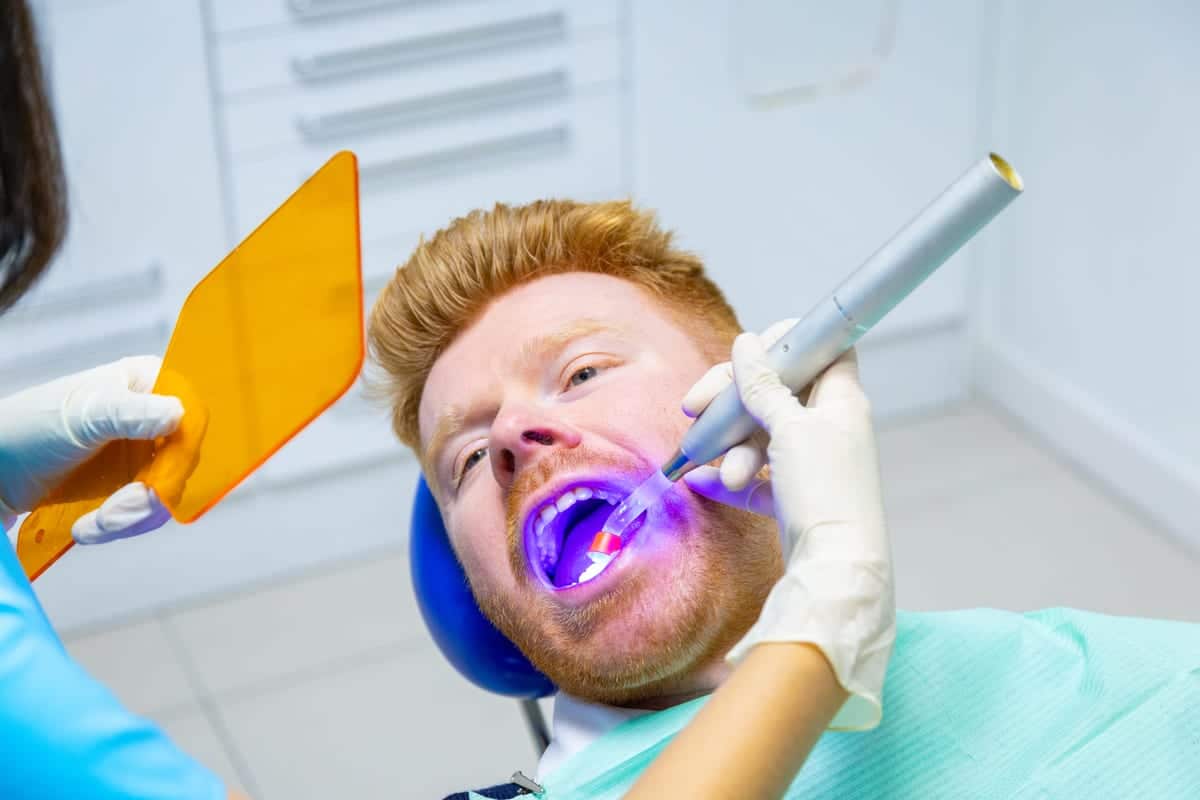
During treatment, the team uses protective barriers to shield your gums. This prevents the whitening gel from irritating soft tissue. Lower-concentration gels applied in shorter sessions also help. These controlled conditions make a big difference in how you feel during and after the procedure.
- Custom-fitted trays ensure even gel distribution and minimize gum contact
- Desensitizing agents containing potassium nitrate or fluoride are applied before and after treatment
- Shorter gel application times reduce enamel exposure
- Professional-strength formulas are precisely calibrated for safety
- Post-treatment fluoride varnish helps seal dentinal tubules quickly
What You Can Do at Home to Manage Whitening Sensitivity
Your at-home habits play a huge role in how comfortable the whitening process feels. Starting a few days before your appointment can make a noticeable difference. Small changes to your routine add up quickly.
Switch to a sensitivity-specific toothpaste at least two weeks before whitening. Products containing potassium nitrate or stannous fluoride help block those open dentinal tubules. Use the toothpaste consistently and do not rinse immediately after brushing — let it sit on your teeth for a minute or two.
After your whitening session, avoid temperature extremes for at least 48 hours. Skip the iced coffee, hot soup, and anything acidic. These foods and drinks aggravate already-open tubules. Soft, room-temperature foods are your best friends during this window.
- Use a soft-bristled toothbrush to avoid enamel abrasion
- Avoid whitening more frequently than your dentist recommends
- Apply a small amount of sensitivity toothpaste directly to sensitive teeth as a spot treatment
- Stay hydrated — saliva helps remineralize enamel naturally
- Ask about over-the-counter pain relievers if discomfort is bothersome
It is also worth mentioning that at-home whitening trays provided by your dentist are far safer than over-the-counter strips. Dr. Gonzalez can create custom-fitted trays with a lower-concentration gel. This gives you a gentler, more controlled experience with less risk of sensitivity.
When Sensitivity Could Signal Something More Serious
Most post-whitening sensitivity is harmless and short-lived. However, there are times when sensitivity warrants a closer look. Knowing the difference helps you respond appropriately and protects your long-term oral health.
If your sensitivity lasts more than 48 hours after whitening, contact Dr. Gonzalez. Prolonged discomfort may indicate an underlying issue such as a cracked tooth or exposed root surface. In some cases, it could signal that a tooth needs additional care — possibly even Root Canals treatment if the nerve has been significantly irritated.
Sharp, spontaneous pain that does not fade is different from the mild zing of normal whitening sensitivity. That type of pain deserves prompt attention. Do not ignore it or assume it will resolve on its own.
This is another reason why professional oversight matters. Dr. Gonzalez can monitor your response to whitening and intervene early if something does not look right. You always have a knowledgeable partner in your corner when you choose in-office care.
Is Teeth Whitening Right for You? What to Expect at North Avenue Dental Care
Teeth whitening is not a one-size-fits-all solution. Your candidacy depends on your overall oral health, the type of staining you have, and how sensitive your teeth already are. A consultation with Dr. Gonzalez helps determine the safest and most effective approach for your smile.
Patients with intrinsic staining — discoloration that originates inside the tooth — may not respond as well to peroxide-based whitening. In those cases, cosmetic alternatives like veneers might deliver better results. Dr. Gonzalez will be honest with you about what whitening can and cannot achieve.
For the right candidates, professional whitening delivers impressive results with manageable side effects. Most patients in Elmwood Park leave the office several shades brighter. With proper aftercare and routine maintenance, those results can last for months or longer.
The key takeaway is this: sensitivity should not stop you from achieving the smile you want. With the right professional guidance, you can stop fearing teeth whitening and manage sensitivity like a pro right here in Elmwood Park. Book Now to schedule your appointment with our team.
Frequently Asked Questions
How long does teeth whitening sensitivity last?
Sensitivity from professional teeth whitening typically lasts 24 to 48 hours after treatment. It should gradually decrease as dentinal tubules remineralize and close. If sensitivity persists beyond two days, contact Dr. Gonzalez at North Avenue Dental Care of Elmwood Park for a follow-up evaluation.
Can I whiten my teeth if I already have sensitive teeth?
Yes, in many cases patients with sensitive teeth can still whiten safely. Dr. Gonzalez will evaluate your oral health first and may recommend a lower-concentration gel or shorter treatment sessions. Using desensitizing toothpaste before and after treatment also helps reduce discomfort significantly.
Is professional whitening safer than store-bought strips for sensitive teeth?
Professional whitening is generally much safer for patients with sensitivity concerns. In-office treatment uses custom trays, precise gel concentrations, and protective barriers to minimize irritation. Store-bought strips use a one-size-fits-all approach that can cause uneven contact and greater sensitivity.
What foods should I avoid after teeth whitening?
For at least 48 hours after whitening, avoid hot beverages, cold drinks, acidic foods, and anything with strong pigments like coffee, red wine, or tomato sauce. Stick to mild, room-temperature foods to allow your enamel tubules to close and reduce sensitivity during this window.
How often can I whiten my teeth without causing damage?
Most dentists recommend professional whitening no more than once or twice per year for maintenance. Whitening too frequently can wear down enamel and increase long-term sensitivity. Dr. Gonzalez will create a personalized whitening schedule based on your smile goals and oral health status.