Click To Text
Your Crown Just Fell Out: Emergency Steps Before Your Appointment

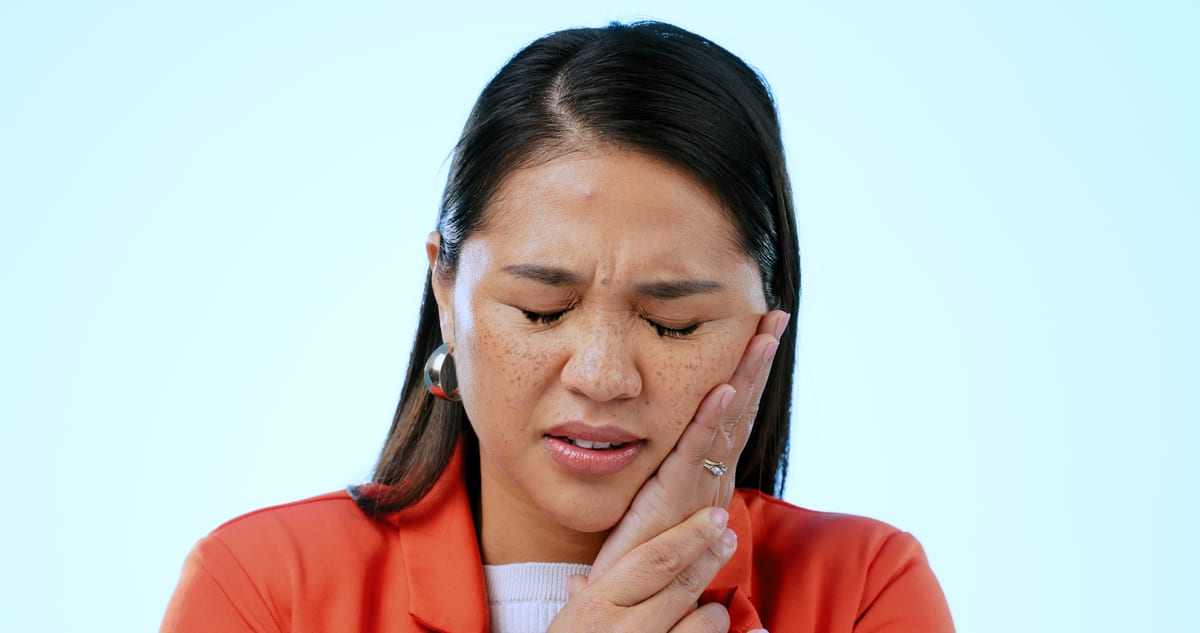
Your crown just fell out — and now you’re not sure what to do. This is one of the most common dental emergencies we see at North Avenue Dental Care of Elmwood Park. Whether it happened at dinner or while drinking your morning coffee, staying calm is your first step. Dr. Michael Gonzalez and our team are here to guide you through exactly what to do before your appointment in Elmwood Park.
Why Crowns Fall Out — And Why It Matters
Dental crowns don’t last forever. Over time, the cement that holds a crown in place can weaken. Decay underneath the crown can also cause it to loosen and eventually fall out.
When a crown comes off, the underlying tooth is exposed and vulnerable. That tooth is often already weakened or has been shaped down for the crown. Without protection, it can crack, become sensitive, or collect bacteria quickly.
The longer the tooth goes uncovered, the higher your risk of damage. That’s why calling North Avenue Dental Care of Elmwood Park right away is so important. Most lost crown cases can be seen promptly to prevent further problems.
Emergency Steps to Take Right Now in Elmwood Park
Don’t panic — there are clear steps you can take immediately. Following these steps will protect your tooth until Dr. Gonzalez can see you.
- Find and rinse the crown. Gently rinse it with warm water. Do not scrub or use soap.
- Inspect the crown and tooth. Look for cracks in the crown or visible decay on the exposed tooth.
- Temporarily reattach the crown. Use dental cement from a pharmacy. Dentemp or Fixodent work in a pinch.
- Avoid hard or sticky foods. Chewing on that side can worsen damage or dislodge a temporary fix.
- Manage sensitivity. Over-the-counter pain relief like ibuprofen can help with discomfort.
- Call your dentist immediately. Contact our Elmwood Park office to schedule an emergency visit.
Never try to glue your crown back with super glue or household adhesives. These products are toxic and can permanently damage both the crown and your tooth. Pharmacy dental cement is specifically designed for this short-term purpose.
What Makes the Situation Worse — Avoid These Mistakes
Some well-meaning actions can actually create bigger problems. Knowing what NOT to do is just as important as knowing what to do.
Avoid eating hard, crunchy, or sticky foods entirely until you’re seen. These can crack the exposed tooth or pull a temporary fix right back off. Extremely hot or cold foods will also increase sensitivity dramatically.
Don’t skip calling the dentist because you feel no pain. Pain is not always immediate after a crown falls out. Bacteria can silently begin damaging the exposed tooth structure within hours.
- Do NOT use super glue or craft adhesive on your crown
- Do NOT ignore the situation even if it feels painless
- Do NOT chew on the affected side
- Do NOT place the crown back without cleaning it first
- Do NOT delay calling your dental office — same-day care is often available
The goal between now and your appointment is simply to protect the tooth. Think of it as damage control, not a permanent solution.
What Happens at Your Emergency Appointment
When you arrive at North Avenue Dental Care of Elmwood Park, Dr. Gonzalez will begin by examining both the crown and the tooth. He’ll check for any new decay or structural damage that may have occurred.
If the crown is intact and the tooth is healthy, the crown can often be re-cemented in the same visit. This is the best-case scenario and happens more often than people expect. The process is straightforward and typically painless.
If there is decay or damage beneath the crown, additional treatment may be needed. In some cases, a root canal or a new crown may be required. Dr. Gonzalez will walk you through all your options clearly and without pressure.
Our team also discusses long-term solutions during your visit. For patients interested in smile restoration beyond emergency care, we offer options like Cosmetic Dentistry Elmwood Park services that go beyond basic repair.
Protecting Your Smile Long-Term After a Lost Crown
A fallen crown is a good reminder to evaluate your overall dental health. Regular checkups catch weakening crowns before they fall out entirely. Prevention is always easier — and less stressful — than emergency care.
Once your crown is secured, ask Dr. Gonzalez about how long it should last. Most modern crowns last 10 to 15 years with proper care. Good oral hygiene and regular cleanings extend that lifespan significantly.
Some patients use this moment to explore other smile improvements as well. Treatments like Invisalign Veneers Elmwood Park can complement restored teeth for a complete, confident smile. Your emergency visit is a great time to ask about what else is possible for your smile goals.
Dr. Gonzalez and the team at North Avenue Dental Care of Elmwood Park are committed to your comfort and long-term dental health. We take pride in making emergency visits as smooth and stress-free as possible.
Conclusion: Don’t Wait — Your Tooth Needs Protection Now
A lost crown is urgent, but it’s very manageable with the right steps. Rinse the crown, apply temporary cement if available, avoid hard foods, and call us right away. The faster you act, the better your outcome will be. Book Now to schedule your appointment with our team.
Frequently Asked Questions
Can I put my crown back on myself at home?
You can temporarily reattach it using over-the-counter dental cement like Dentemp. This is only a short-term solution. You must still see Dr. Gonzalez as soon as possible to have it properly re-cemented or replaced.
How long can I wait before seeing a dentist after my crown falls out?
You should contact your dentist the same day if possible. Delaying even 24 to 48 hours increases the risk of tooth sensitivity, bacterial decay, and structural damage to the exposed tooth. Don’t wait — call North Avenue Dental Care of Elmwood Park right away.
Will it hurt when my crown falls out?
It may or may not cause immediate pain. Some patients feel sharp sensitivity to air, hot, or cold. Others feel nothing at first. Either way, the underlying tooth is unprotected and at risk — pain is not a reliable indicator of whether treatment is urgent.
What if I lost or swallowed the crown?
Don’t worry if the crown is lost or accidentally swallowed — swallowing a crown is generally harmless. Let Dr. Gonzalez know during your visit. A new crown will need to be fabricated, which typically takes a couple of appointments.
How can I prevent my crown from falling out again?
Maintain consistent oral hygiene including brushing and flossing around the crown daily. Avoid chewing very hard or sticky foods regularly. Attend your routine dental checkups so Dr. Gonzalez can monitor the crown’s condition before problems develop.